There is a reason primary sources are key to creating historical narratives. Firsthand accounts and individual testimonies create a more personal narrative then objectively stating the facts. The same event can impact people differently which is what Returning to Haifa and Nakba show us.
Returning to Haifa is a fictionalized account about a mother and father that were separated from their infant son during the Nakba. It begins with Said and Safiyaa returning to their old home, in 1967, to see what happened to it. They both share an unspoken weight due to the loss of their son whom they thought was lost forever. However, the new occupant of their house had taken in their son (as part of their agreement to live there) and raised him as their own. However, their reunion does not go according to plan as their lost son does not reject his foster family and accept his birth family with open arms.
Nakba Palestine. 1948, and the Claims of Memory is a collection of essays about individual people’s experiences of this event. However, I will only be focusing on the experiences of Ibrahim Abu-Lughod as told by his daughter Lila. Ibrahim returned in 1992 (after escaping in 1948) and took Lila on a tour of Jaffa while detailing his memories of the past. According to Lila he gave this tour to many as a way of “claiming and reclaiming the city in which he had been born, the sea in which he had swum as a boy, and the home he had been forced to flee in 1948” (p. 83).
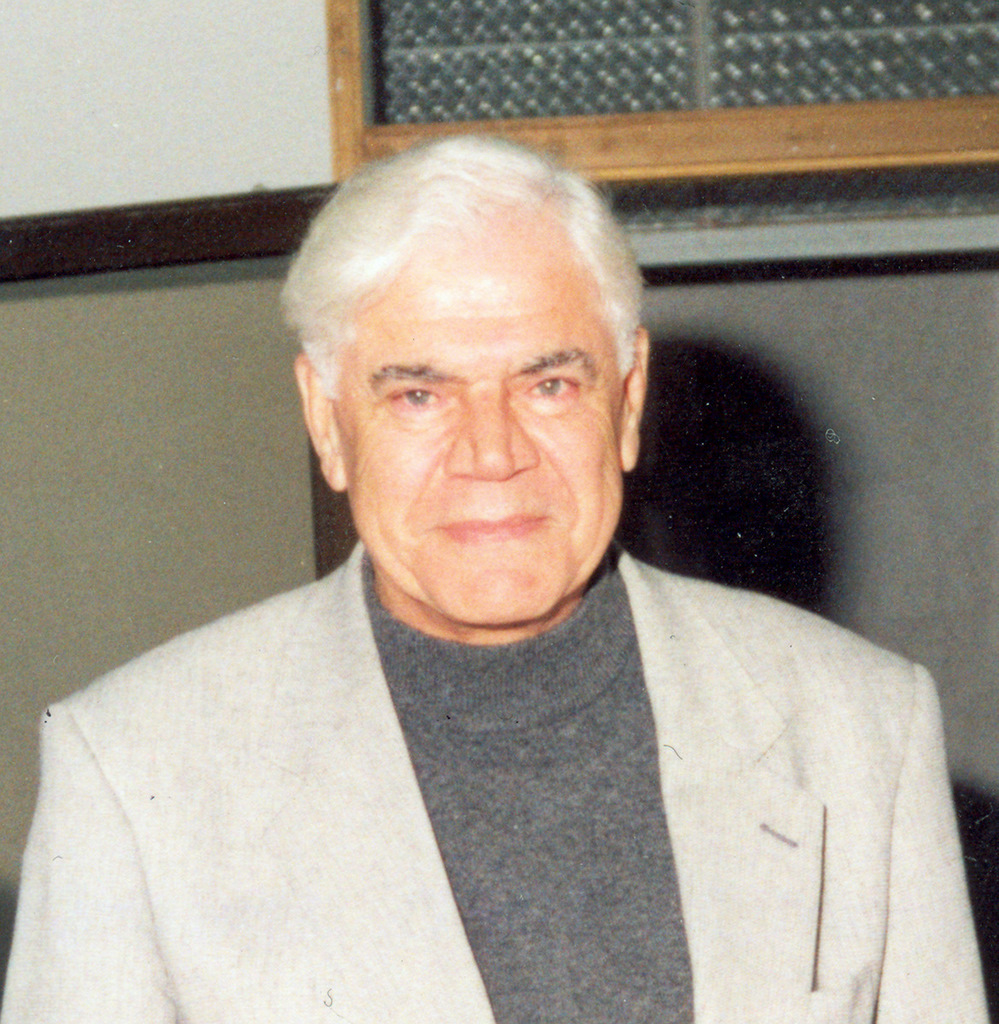
Ibrahim Abu-Lughod
Reclaiming what was lost is the key similarity in these two stories. Families were split apart, and homes and possessions were left behind or stolen. Palestinians tried to salvage what little they had left by they holding on to different hopes or memories of the past. Said and Safiyya held on to the memory of their lost son. They believed that if they found him, he would reject and denounce those who had separated him from his family. Ibrahim reclaimed his past through his memories, and the stories of other Palestinians. He became a historian and spent his life documenting this event. Though they lost so much, Ibrahim made sure their stories would never be forgotten.


One thing that really stuck out to me when reading about Ibrahim Abu-Lughod is the intense focus on memory. Coming from a human development background, memory is something that always makes me a bit skeptical. I am certainly not suggesting that what people remember is invalid or does not contribute to trauma responses. This is very real, and is important to study. However, using memory as history is always something that makes me curious to explore more. Using memory is incredibly valuable, as long as the experience is corroborated. It is something that I think would be really interesting to dive into more to explore.
I like how you highlighted the importance of primary sources this week. We were not reading historical articles instead we were reading stories from different peoples return to Palestine. I think that your comparison of the sources was really valuable to the understanding of the value of the sources in tandem.