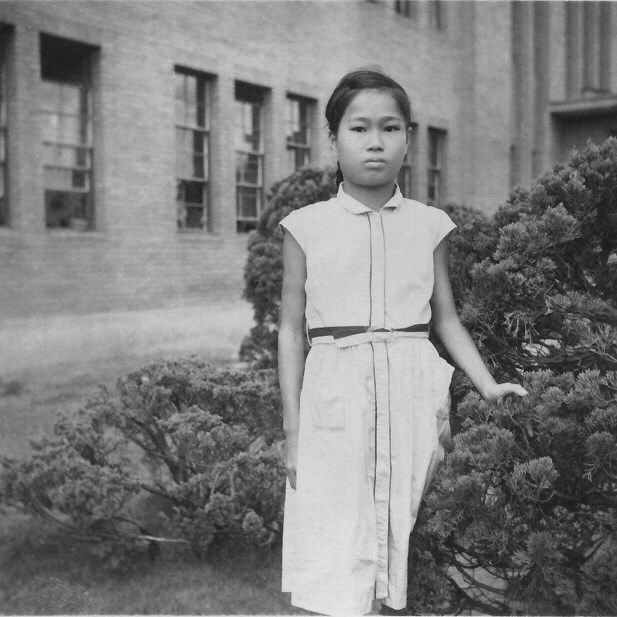
Sadako Sasaki who developed leukemia after being exposed to radioactive black rain in Hiroshima.
POSTWAR: A Global History of the Second World War's Legacy
Exploring war and its influence on society, One post at a time
Sadako Sasaki who developed leukemia after being exposed to radioactive black rain in Hiroshima.

You must be logged in to post a comment.


Copyright © 2026 POSTWAR: A Global History of the Second World War's Legacy

You seem to touch on the answer pretty well in one of your follow-up questions. Death is far more desirable (for some reason) than living with scars. Saduko died because of the atrocities that happened, and therefore she would be memorialized. Her story would be a beacon of hope for what could come of war. The Hiroshima Maidens were a terrifying depiction of the same thing, only they had no way out. Likewise, it is easier to reconcile a death in the context of war than it is to reconcile the disfigurement that came out of the radiation.
Hi,
I love your title and also how you touch base on the devastating side effects of lingering radiation exposure. I think it is also great you focused on an illness that was not initially detected vs obvious disfigurement.
I think the opening photo goes a long way to set the tone for the readings; it was a good choice to use for this blog post. I really like the story at the beginning as it brings a small sense of reality to the post right off the bat.
I think your assessment about shame, honor, and death in Japanese culture is accurate. The visual reminder of a person with radiation burns in public would have been a direct reminder of failure in the war. However, as with Hiroshima Peace Memorial Park, people who were dead could be cherished as memories and become symbolic of looking to the future instead of the past.
I think that the questions you posed at the end of this entry are very interesting. I believe that you may be right in assuming that the difference between hiding something away versus memorializing it lies behind the border between what is an honorable way to die or survive, compared against a disfigurement that they may have seen as ugly.
I enjoyed the background on the picture you provided, Hiroshima and Nagasaki were devastating but the devastation was truly unknown, similar to Chernobyl we never really understood the long term effects of high exposure to radiation back then.